Midwestern slang is the group of informal words and phrases used by people who live in states like Ohio, Michigan, Wisconsin, Minnesota, Iowa, and the Dakotas. It includes friendly, polite expressions like “ope,” “you betcha,” and “fib,” along with unique pronunciations. It reflects a laid back, humble, and community focused way of talking.
Key Takeaways
- Midwestern slang refers to informal words and phrases common across states like Minnesota, Wisconsin, Michigan, Ohio, and Iowa.
- Many terms, like “ope” and “uff da,” come from a mix of farming culture and Scandinavian and German immigrant roots.
- The tone is almost always friendly, polite, and self deprecating rather than rude or aggressive.
- It’s still widely used today, both in daily speech and in memes and social media posts about the region.
- The exact origin of many individual words is unclear, since slang usually spreads through speech long before anyone writes it down.
- People outside the Midwest often find the slang funny or charming because of how polite it sounds.
People search for midwestern slang because they hear a word like “ope” or “you betcha” and have no idea what it means.
Maybe it showed up in a TikTok video. Maybe a coworker who grew up in Wisconsin said something that sounded like a different language. Either way, it makes sense to be curious.
This slang shows up everywhere in daily Midwest life. You’ll hear it at the grocery store, in text messages, at family dinners, and even in local news interviews.
It’s not something people are trying to hide or make cool. It’s just how a lot of Midwesterners naturally talk.Yes, midwestern slang is still very much alive today.
If anything, it’s gotten more attention recently because of how relatable and funny it sounds to people from other regions. Videos and posts poking fun at Midwest politeness tend to spread fast, since almost everyone has met someone who says “sorry” way too much or calls every soda “pop.”
This guide breaks down what the slang actually means, where it likely came from, and how people use it in real conversations, texts, and social posts today.
What Does Midwestern Slang Mean?
Midwestern slang means the collection of casual words, phrases, and speech habits shared by people across the Midwest region of the United States. It’s not one single word it’s a whole style of talking.
This region includes states like Illinois, Indiana, Iowa, Kansas, Michigan, Minnesota, Missouri, Nebraska, North Dakota, Ohio, South Dakota, and Wisconsin. Each state has its own small twist on the slang, but there’s a lot of overlap.
Some of the most recognizable examples include:
- Ope a soft sound people make when they bump into someone, almost drop something, or need to squeeze past you.
- Fib a small, harmless lie.
- You betcha a cheerful way to say “yes, of course.”
- Uff da an expression of surprise, discomfort, or mild frustration.
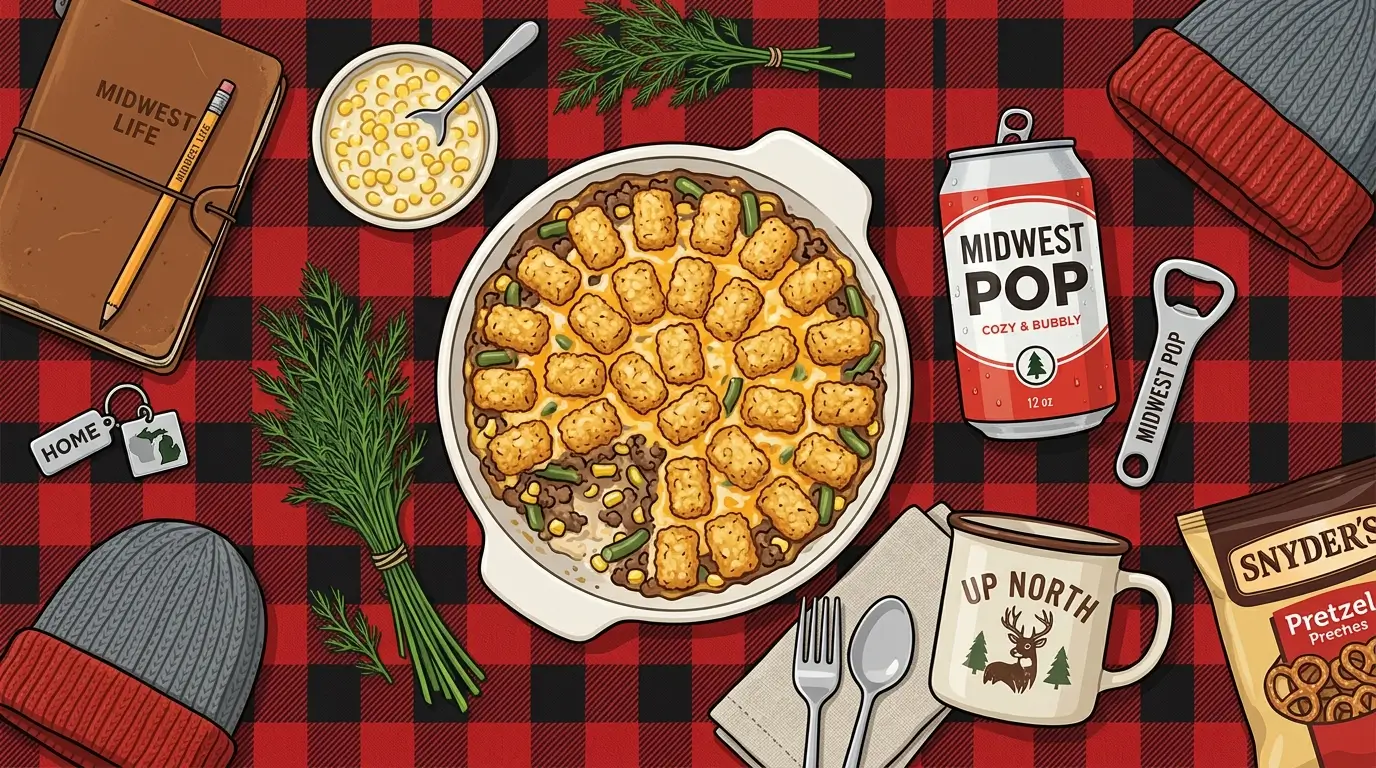
- Pop the Midwest word for soda.
The common thread across all of it is politeness. Midwestern slang almost always softens a statement instead of making it sound harsh or blunt.
Quick Meaning Box
| Meaning | Simple Explanation |
| Regional speech style | Casual words and phrases common in the U.S. Midwest |
| Politeness marker | Softens statements, apologies, and disagreements |
| Cultural identity | Signals someone is from or connected to the Midwest |
| Communication shortcut | Locals instantly understand it without explanation |
Pronunciation
There’s no single pronunciation for “midwestern slang” itself since it’s a category, not one word. But a few of the most common terms trip people up:
- Ope sounds like “oap,” rhymes with “rope”
- Uff da “uf dah”
- Fib “fib,” rhymes with “rib”
- You betcha “yoo BET chuh”
Where Does Midwestern Slang Come From?
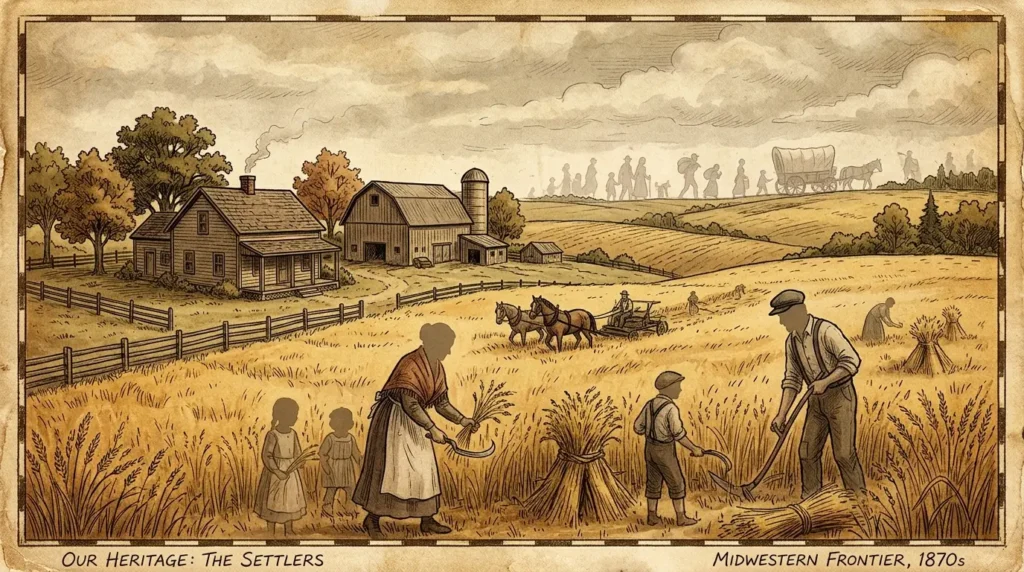
Midwestern slang likely comes from a mix of farming culture, small town community values, and the languages spoken by German, Scandinavian, and other European immigrants who settled the region.
The exact origin of most individual words is unclear, since slang usually spreads by word of mouth long before it’s ever written down.States like Minnesota and Wisconsin saw large waves of Norwegian, Swedish, and German immigration in the 1800s.
Words like “uff da” trace back to Norwegian expressions of surprise or discomfort. That heritage shaped how people in those areas talk, even generations later.
Farming culture also played a role. Rural communities tend to value practicality, humility, and not making a big deal out of things. That mindset shows up directly in the slang softening statements, downplaying compliments, and apologizing even when nothing went wrong.
Because so much of this language passed down through families and small towns rather than through books or media, pinning an exact year or person to most terms isn’t realistic. The honest answer for most of these words is that nobody recorded the first time someone said them.
History of the Term
Midwestern slang has been around for generations, passed down through families long before the internet existed. For most of its history, it stayed regional. People outside the Midwest simply didn’t hear it much unless they visited or moved there.
That started to change with television, radio, and eventually the internet, which exposed more people to regional dialects. Shows and interviews featuring Midwesterners let outsiders hear the accent and word choices firsthand.
The bigger shift happened with social media. Short videos comparing regional accents and slang made words like “ope” and “you betcha” go viral outside their home states. Suddenly, people in California or New York were using “ope” as a joke, even without fully understanding its Midwest roots.
This gave the slang a kind of resurgence. It didn’t disappear or get replaced it just became more visible to a national audience. Locals still use it the same way they always have; it’s just no longer a secret to the rest of the country.
How People Use It Today
People use midwestern slang the same way they always have, mostly in everyday speech, but now it also shows up constantly on TikTok, Instagram, and X. It has become a recognizable regional identity marker online.
On social media, the slang often appears in a humorous, exaggerated way. Creators from the Midwest post skits about saying “ope” fifty times a day or explaining why everything gets called “hot dish.” People from outside the region reply asking what the words mean, which keeps the slang spreading further.
In daily life, though, it’s used naturally and without irony. Someone might say “ope, sorry” while reaching past you in a grocery aisle, or ask “you want a pop?” without thinking twice about the word choice. It’s not performance it’s just how people talk.
Midwestern Slang Phrases
Midwestern slang phrases are short, everyday expressions that locals use to soften statements or fill natural pauses in conversation. They tend to focus on politeness over precision.
Some common ones include “not too bad,” used to describe something that’s actually going pretty well, and “could be worse,” a classic Midwest way to answer “how are you?” without sounding overly positive or negative. “Come with?” is another one, dropping the word “me” or “us” at the end of the sentence entirely.
These phrases aren’t really about hiding meaning. They’re about keeping conversations light, casual, and non confrontational, which fits the overall tone of the region.
Midwestern Slang Words
Midwestern slang words are individual terms, rather than full phrases, that locals use in daily conversation. These single word swaps are often the easiest way to spot a Midwest speaker.
A few standouts: “pop” instead of soda, “hot dish” instead of casserole, “bubbler” (mostly in Wisconsin) instead of water fountain, and “duck duck gray duck” instead of the more common “duck duck goose,” which is a real difference specific to Minnesota.
These words usually aren’t rude or edgy. They’re practical, everyday vocabulary that just happens to differ from what people in other parts of the country say.
Midwestern Slang Insults
Midwestern slang insults tend to be mild and indirect rather than harsh or aggressive. Even when Midwesterners are annoyed with someone, the language usually stays polite on the surface.
“Bless your heart,” while more associated with the South, also shows up in parts of the Midwest as a backhanded way to express mild judgment. Even “oh, that’s different” can be used sarcastically to mean something is strange or not great.
This indirect style fits the overall Midwest personality of avoiding direct conflict, even when there’s clearly a complaint underneath the words.
Midwestern Slang Ope
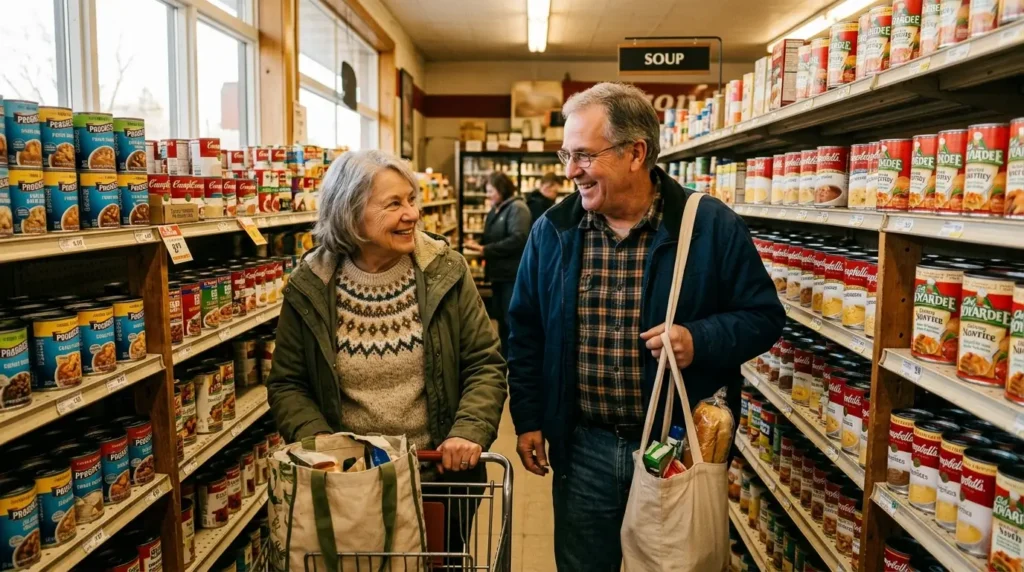
“Ope” is one of the most well known pieces of midwestern slang. It’s a small, almost automatic sound people make when they bump into someone, need to squeeze past them, or almost drop something.
It’s not really a word with a dictionary definition so much as a reflex. Someone might say “ope, sorry” while grabbing something off a shelf near another shopper, or “ope, let me just scoot past ya” in a crowded hallway. It softens any small, accidental interruption.
“Ope” has become one of the most recognizable pieces of Midwest identity online, largely because it’s such a specific, tiny habit that outsiders find charming and funny once they notice it.
Fib Midwestern Slang
A “fib” is a small, harmless lie, and while the word isn’t exclusive to the Midwest, it fits right into the region’s overall communication style.
It’s used across the country, but Midwesterners lean on it often because it fits their preference for softening things.
Saying someone “told a fib” sounds much gentler than saying they “lied.” A parent might tell a kid, “Don’t fib to me,” instead of using a harsher accusation. It keeps the conversation from feeling like a big confrontation.
This word choice mirrors the broader Midwest habit of avoiding blunt, harsh language whenever a softer option exists.
Common Midwestern Slang
Common midwestern slang includes the words and phrases people hear most often across the region, regardless of which specific state they’re in. These are the terms most likely to show up in daily conversation.
Words like “pop,” “ope,” “you betcha,” “uff da,” and “not too bad” all fall into this category. They cross state lines throughout Ohio, Michigan, Wisconsin, Minnesota, Iowa, and beyond, even if usage frequency shifts slightly depending on location.
Because these terms are so widespread, they’re usually the first ones people notice when they move to or visit the Midwest.
Midwestern Sayings Slang
Midwestern sayings are short, often folksy expressions that carry a bit more storytelling flavor than a single slang word. They tend to reflect practical, no nonsense attitudes.
“That’s a whole nother story” and “well, I’ll be” are good examples both add a little personality to a conversation without being tied to one specific meaning. “Hold your horses,” meaning to slow down or be patient, is another saying commonly heard throughout the region.
These sayings often get passed down from older generations, giving them a slightly old fashioned, homey feel compared to newer internet slang.
Slang Term for Midwesterners
There isn’t one single, universally used slang term for people from the Midwest the way there is for some other U.S. regions. Most people simply use state based terms, like “Michigander” for someone from Michigan or “Hoosier” for someone from Indiana.
These state specific nicknames function almost like slang terms themselves, since they carry regional pride and identity.
“Cheesehead,” associated with Wisconsin, is another widely recognized example, often tied to the state’s dairy farming reputation and University of Wisconsin or Green Bay Packers fan culture.
So instead of one blanket term for all Midwesterners, the region relies on a patchwork of state specific nicknames that locals wear with pride.
Midwestern Farmer Slang
Midwestern farmer slang reflects the region’s deep agricultural roots, even among people who don’t farm themselves. A lot of everyday Midwest language traces back to rural, farm based communities.
Phrases like “make hay while the sun shines,” meaning to take advantage of good conditions while they last, come directly from farming life.
“Knee high by the Fourth of July,” an old benchmark for how tall corn should be by early summer, is another example still referenced today, even by people who’ve never worked a field.
This farming influence explains a lot about the practical, if aware, hardworking tone found throughout midwestern slang overall.
Midwestern Girl Meaning Slang
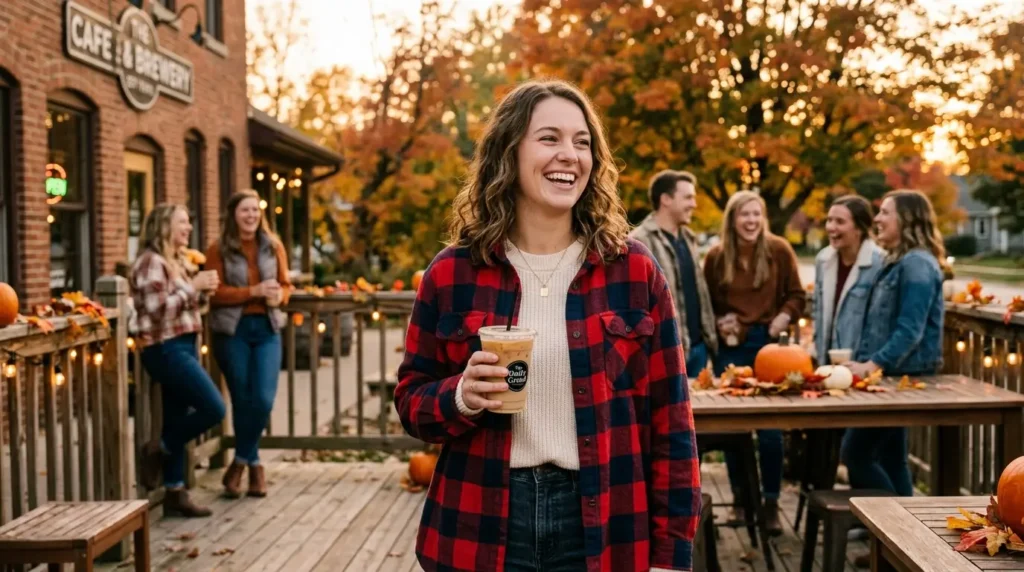
“Midwestern girl” slang typically refers to a specific personality and style associated with young women from the region, especially as it’s been described in social media trends. It’s less about one word and more about a whole vibe.
The stereotype usually includes things like a love of iced coffee, hot dish and casseroles, flannel or cozy layered outfits, close knit friend groups, and a friendly, down to earth attitude. It’s generally used affectionately, both by Midwesterners describing themselves and by outsiders referencing the trend.
Like most regional stereotypes, it’s a simplified version of reality, but it’s rooted in genuine cultural patterns people recognize from the area.
Examples in Everyday Conversation
- “Ope, sorry, didn’t mean to cut you off there.”
- “You want a pop with your lunch?”
- “Could be worse, I guess, considering the if.”
- “Don’t fib to me, I already know what happened.”
- “Uff da, that traffic was something else today.”
- “You betcha, I’ll be there by six.”
- “We’re bringing a hot dish for the potluck.”
- “Hold your horses, we’ve got plenty of time.”
- “You want to come with, or are you staying home?”
- “Well, I’ll be, I haven’t seen you in years.”
Text Message Examples
- “omg ope i just walked into the door lol”
- “you coming with tonight or nah?”
- “grabbing a pop on the way, want one?”
- “don’t fib, did you actually finish it”
- “uff da today was rough”
- “you betcha, see you at 7”
- “bringing the hot dish grandma always makes”
- “hold your horses i’m almost there”
- “could be worse tbh, could be raining”
- “cheesehead alert, packers game tonight lol”
Social Media Caption Examples
- Instagram: “Ope, just me squeezing past everyone at the farmers market 🌽”
- TikTok: “POV: you say sorry 47 times before 9am because Midwest”
- X: “You betcha it’s pop, not soda, around here.”
- Threads: “Uff da, this heat is something else today.”
- Facebook: “Bringing the hot dish to the potluck, as tradition demands.”
- Instagram: “Cheesehead energy all fall long 🧀”
- TikTok: “Explaining ‘duck duck gray duck’ to my out of state friends”
- X: “Could be worse, could be another polar vortex.”
- Threads: “Midwestern girl fall essentials: flannel, iced coffee, hot dish.”
- Facebook: “Hoosier pride never fades, even out of state.”
Is It Positive or Negative?
Midwestern slang is almost always positive or neutral in tone. It’s built around politeness, humility, and softening statements, so it rarely comes across as rude or aggressive.
Some terms can carry a mildly sarcastic or judgmental edge, like “bless your heart” or “not the sharpest tool in the shed,” but even these lean gentle compared to blunt insults used in other regions. Misunderstandings mostly happen when outsiders take these phrases too literally, not realizing the softer intent behind them.
Someone unfamiliar with the region might also misread constant apologizing, like repeated “opes,” as a sign of nervousness or weakness, when locals see it as simple everyday courtesy.
Who Uses This Slang?
Midwestern slang is used across generations, from grandparents to teenagers, though the specific words and how often they’re used can shift by age group.
Older generations tend to use farm rooted sayings more often, while younger people lean into terms like “ope” as a fun, shareable identity marker online.
Teens and young adults are the ones driving most of the recent social media attention around this slang, often using it humorously or ironically in posts. Adults and older residents, meanwhile, tend to use the same words simply because that’s how they’ve always talked, without thinking of it as a trend.
Regional sports culture also plays a role, especially terms like “cheesehead,” which are closely tied to fan identity around teams like the Green Bay Packers.
Similar Slang Words
| Slang | Meaning |
| Ope | Small sound made during a bump or accidental interruption |
| Uff da | Expression of surprise or mild frustration |
| Fib | A small, harmless lie |
| Pop | Soda |
| Hot dish | Casserole |
| You betcha | Enthusiastic yes |
Opposite Words
- Blunt or direct speech the opposite of softening statements the way midwestern slang typically does.
- Big city slang regional slang from urban areas that often focuses on trends and status rather than politeness.
- Formal language professional or textbook speech, which strips out the casual, homey tone found in midwestern slang.
Common Mistakes
People often assume “ope” is spelled “oop” or “oap,” when the most widely accepted spelling is simply “ope.
“Another common mistake is thinking midwestern slang is limited to just one or two states, when it actually spans many, including Ohio, Michigan, Wisconsin, Minnesota, Iowa, Indiana, and more.
Some people also assume every regional word, like “pop,” is universal across the whole Midwest, when usage can still vary by state or even by city. And outsiders sometimes mistake polite, softened phrases for sarcasm or passive aggression, when they’re usually just genuine politeness.
When NOT to Use It
Midwestern slang generally isn’t a good fit for formal emails, business presentations, academic writing, or professional interviews. Words like “ope” or phrases like “you betcha” can come across as too casual or unclear to someone unfamiliar with the region.
In customer service or workplace settings outside the Midwest, using this slang might also cause confusion, since coworkers or clients from other regions may not understand the meaning. It’s best saved for casual conversations, texting friends, or social posts where a relaxed, regional tone fits naturally.
Fun Facts
- “Uff da” traces back to Norwegian immigrant communities, especially in Minnesota and the Dakotas.
- Minnesota is one of the only places where “duck duck gray duck” is used instead of “duck duck goose.”
- “Cheesehead” ties directly into Wisconsin’s identity as a major dairy producing state.
- “Pop” versus “soda” usage maps closely to regional dialect boundaries studied by linguists.
- Midwestern slang often gets grouped with a broader speech pattern researchers call “Inland North” or “North Central” dialect features.
- Many Midwest sayings, like “knee high by the Fourth of July,” come directly from farming traditions.
Frequently Asked Questions
1:What are words that midwesterners say differently?
Midwesterners often use different words for everyday items compared to other regions. “Pop” instead of soda, “bubbler” instead of water fountain (mostly in Wisconsin), and “hot dish” instead of casserole are common examples.
Pronunciation can shift too, with certain vowel sounds pronounced differently than in Southern or Coastal accents. These word swaps usually aren’t confusing once explained, but they can catch visitors off guard the first time they hear them in a store or restaurant.
2:What are common slang phrases?
Common slang phrases across the Midwest include “ope, sorry,” “you betcha,” “could be worse,” and “come with?” These phrases usually serve a specific social purpose, like softening an apology or keeping small talk light.
Unlike trend based internet slang that changes quickly, these phrases have stayed fairly consistent for generations, passed down through families rather than through social media trends alone.
3;What is a midwestern polite expression?
A classic midwestern polite expression is “ope,” used automatically when someone bumps into another person or needs to squeeze past them.
Another is “not too bad,” a humble way of saying things are actually going well. These expressions exist to avoid sounding boastful or blunt.
Instead of directly stating something is great or asking someone to move, Midwesterners tend to soften the moment with a small, polite phrase first.
4:How do Midwesterners say “sorry”?
Midwesterners often say “sorry” far more often than necessary, even for minor things like reaching past someone or making brief eye contact.
“Ope, sorry” is the most recognizable version, used almost as a reflex rather than a real apology for wrongdoing.
This habit reflects the region’s overall value of politeness and avoiding any appearance of rudeness, even in situations where no actual apology is needed.
Final Thoughts
Midwestern slang isn’t complicated once you understand the pattern behind it. Almost every word and phrase exists to keep conversations polite, humble, and easygoing.
If it’s saying “ope” while grabbing a snack off a shelf or calling soda “pop” without thinking twice, this language reflects a genuinely friendly way of communicating.
It’s stuck around for generations because it works. Families pass it down, communities reinforce it, and now social media has introduced it to people who never would have heard it otherwise.
If someone’s from Ohio, Minnesota, Wisconsin, or anywhere in between, this slang is part of what makes the region’s culture feel warm and recognizable, both in person and online.

Chloe Mitchell is passionate about digital communication and the stories behind viral words. She writes for SlangGuide.com, helping readers discover the meanings, origins, and everyday use of popular slang terms.