“Chat” as slang has two main uses: it’s the word streamers and gamers use to talk directly to their live audience (“hey chat,” “chat, is this real?”), and it’s also just a casual, modern way to describe talking or texting with someone. The tone is usually playful, friendly, and very online.
Key Takeaways
- “Chat” as slang mostly comes from livestreaming culture, where streamers talk to their viewers as “chat”
- It’s also used more generally as a shortcut for texting, DMing, or having a casual conversation
- The term picked up steam through Twitch and later spread hard through TikTok
- It’s almost always casual and friendly rarely rude unless paired with certain phrases
- Gen Z uses it constantly online, but it doesn’t really belong in formal writing or professional messages
- The exact origin of every specific “chat” phrase isn’t documented, but the streaming connection is well known
If you’ve spent any time on TikTok, Twitch, or Discord lately, you’ve probably seen the word “chat” used in a strange new way.
People aren’t just saying “let’s chat” anymore. They’re saying things like “chat, is this real?” or “left the chat” as a joke, and it can be confusing if you’re not deep into internet culture.
This word shows up everywhere: in comment sections, in text messages, in captions, and in live videos. Some people search for chat slang meaning because a friend used it in a text and they didn’t want to ask what it meant. Others hear it on a livestream and want to understand the culture behind it.
The short version is that “chat” slang has grown out of live streaming, where creators talk directly to the people watching them, calling that audience “chat.
“From there, the word spread into everyday texting and social media, where it now just means talking, messaging, or checking in with someone. This guide breaks down every common way “chat” gets used, where it came from, and how to use it yourself without sounding out of touch.
What Does Chat Slang Meaning Mean?
At its core, chat slang meaning refers to the different casual ways people use the word “chat” online, instead of its plain dictionary definition of a conversation. It can refer to a streamer’s audience, a text conversation, or even a state of being (“in chat,” “left the chat”).
There isn’t just one definition. Depending on where you see it, “chat” might mean:
- The live audience watching a stream, as in “chat says hi”
- A general text or DM conversation, as in “we were just chatting”
- A joke reference to someone acting strange, as in “left the chat” after someone says something odd
- A direct address to an audience, almost like saying “guys” or “everyone”
For example, a streamer might say, “Chat, should I keep playing or go to bed?” That’s using chat as the name for their audience. Meanwhile, a friend might text you, “we should chat later,” which is just a normal, if casual, use of the word.
Quick Meaning Box
| Meaning | Simple Explanation |
| Streamer’s audience | The people watching and commenting live during a stream |
| Casual conversation | Texting, messaging, or talking with someone |
| Direct address | Talking to an online audience like they’re one person, e.g. “chat, help me out” |
| Joke exit phrase | “Left the chat” used humorously after an awkward moment |
Pronunciation
Chat is pronounced exactly like it looks: chat (rhymes with “cat” and “hat”). There’s no special or altered pronunciation in slang use it’s the same word, just used in new ways.
Where Does Chat Slang Meaning Come From?
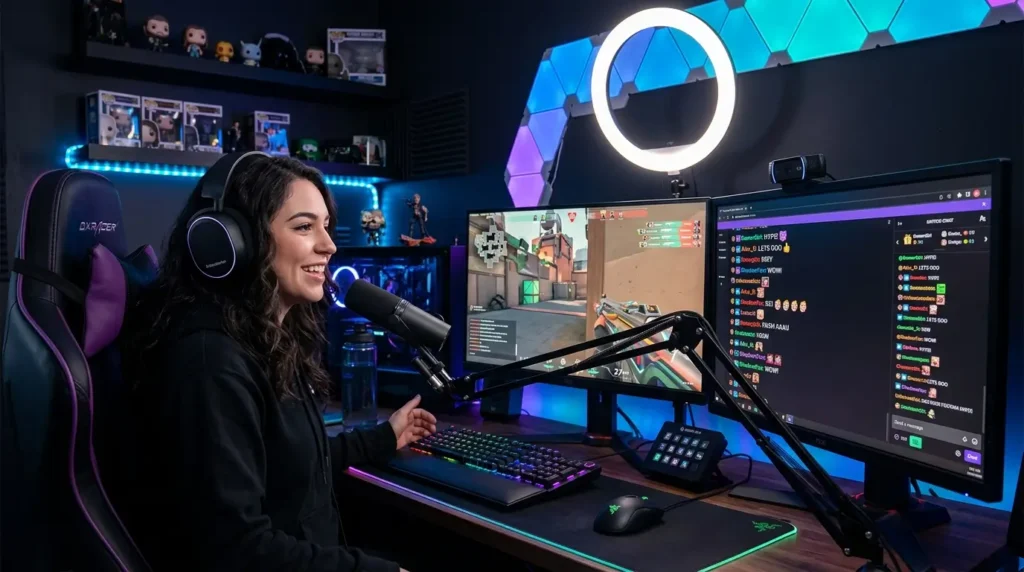
The slang use of “chat” traces back mainly to livestreaming platforms, where viewers post messages in a live text box next to the video. Streamers started referring to that whole group of viewers as “chat,” almost like a nickname for their audience.
Over time, phrases like “chat, is this real?” or “chat says no” became a natural way for streamers to interact with viewers in real time, treating chat almost like a single, opinionated friend rather than a crowd of individual people.
The exact origin is unclear, since livestreaming culture grew gradually across many platforms rather than starting with one single moment or person.
What is well known is that this style of talking to “chat” became especially common on Twitch, where live text chat sits right next to the video. From there, clips and highlights spread to TikTok and YouTube Shorts, introducing the phrase to people who had never watched a livestream in their life.
History of the Term
“Chat” has been a normal English word for centuries, simply meaning a casual conversation. The slang shift is much more recent and tied closely to internet culture.
As livestreaming grew, especially through gaming platforms, streamers needed a quick way to refer to the crowd of viewers typing messages during their broadcast.
“Chat” was the obvious word, since it was already the name of the text box itself. Saying “chat” instead of listing individual names was simply faster and more natural.
This usage stayed mostly inside gaming and streaming spaces for a while. As short clips from streams began circulating on TikTok and Instagram Reels, more casual internet users picked up the phrase, even if they didn’t watch full streams themselves.
The word saw a real resurgence as short form video became the dominant way people discover new slang, since a single funny clip of someone saying “chat, is this real?” can reach millions of people who then start using it themselves.
How People Use It Today
Today, “chat” as slang shows up across nearly every major platform, but it hits differently depending on where you see it.
Twitch and YouTube Live, it’s used constantly and literally, referring to the actual live chat box. On TikTok and Instagram, it’s often used more like a bit or a joke, with creators addressing their comment section as “chat” even though there’s no true livestream chat feature.
Discord and in texting, “chat” usually returns to its more traditional meaning of a conversation, though it’s often used in a casual, half joking tone borrowed from streaming culture.
Chat Gen Z Slang Meaning
For Gen Z, “chat” often works as a playful stand in for “everyone” or “guys,” especially in captions and comments.
A teen might post a video and caption it “chat, help me decide,” treating their followers exactly like a streamer treats a live audience.
This use has become so common that many Gen Z users say it without ever having watched a livestream, simply because they picked it up from TikTok trends.
W In The Chat Slang Meaning
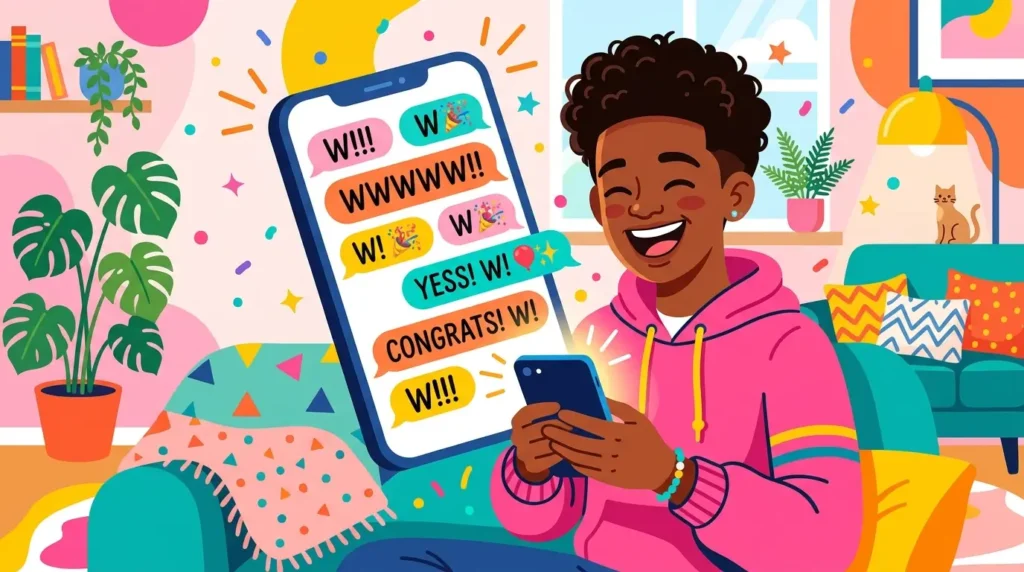
“W in the chat” is a request for viewers or readers to type “W,” meaning “win,” to celebrate something good that just happened.
It’s the positive counterpart to typing “L” for “loss.” Someone might post a good grade or a lucky moment and caption it “w in the chat” to invite people to celebrate with them.
Left The Chat Slang Meaning
“Left the chat” is usually used sarcastically or jokingly, often after someone says something awkward, weird, or overly honest.
It mimics the notification you’d see if someone actually exited a group chat, implying the situation was so intense that leaving felt like the only option. It’s rarely meant literally.
My Chat Slang Meaning
“My chat” is how a streamer or content creator refers to their own specific audience, almost like a term of ownership or belonging.
Saying “my chat is unhinged today” treats the audience as a recognizable, personality filled group rather than a random collection of strangers.
Hey Chat Slang Meaning
“Hey chat” is a simple, friendly greeting streamers and creators use to open a video or stream, directly addressing their viewers as a group.It works the same way “hey guys” or “hey everyone” would in a more traditional video intro.
Pmo Chat Slang Meaning
“Pmo” stands for “piss me off,” and when paired with “chat,” as in “chat, this is so pmo,” it’s someone venting a small frustration directly to their audience, inviting sympathy or agreement. It’s almost always used for minor annoyances rather than serious anger.
Good Chat Slang Meaning
“Good chat” is often said sarcastically after an awkward, short, or one sided conversation, similar to saying “well, that was fun” in a dry tone. It can also be used sincerely after a genuinely pleasant conversation, so tone and context matter a lot here.
Chatting Slang Meaning
“Chatting” simply means talking or texting with someone, but in slang use it often implies a light, casual, no pressure conversation rather than anything serious. Saying “we’ve just been chatting” usually signals a relaxed connection, not a deep or formal discussion.
Chatterbox Slang Meaning
A “chatterbox” is someone who talks a lot, often nonstop, usually about small or everyday topics. This isn’t a new slang term, but it fits naturally into chat culture, describing the kind of person who fills every silence with conversation.
Chat Slang Meaning TikTok
On TikTok specifically, “chat” is frequently used as a direct address to the comment section, almost like the app itself has a built in live chat. Creators say things like “chat, was I wrong for this?” to invite comments and reactions, even outside of an actual livestream setting.
Examples in Everyday Conversation
- “Chat, be honest, does this outfit work?”
- “I was just chatting with my sister about the weekend.”
- “Left the chat after he said that with a straight face.”
- “W in the chat, I finally passed my driving test!”
- “My chat is always roasting me and I love it.”
- “Hey chat, welcome back to the stream.”
- “This traffic is so pmo, chat.”
- “Good chat, I guess we’re done here.”
- “She’s a total chatterbox once she gets comfortable.”
- “Chat said I should just text him first.”
Text Message Examples
- “lol chat would not approve of this outfit”
- “we were just chatting, nothing serious”
- “bro left the chat after that comment 💀”
- “w in the chat, I got the internship!!”
- “my chat has been so loud today lol”
- “hey chat, ignore me I’m just bored”
- “this homework is so pmo chat fr”
- “good chat… anyway see you tomorrow”
- “she’s such a chatterbox in class”
- “chat says I should just call instead of texting”
Social Media Caption Examples
- Instagram: “chat, rate this fit 1 10 👀”
- TikTok: “left the chat after this take 💀”
- X: “w in the chat, first paycheck hit”
- Threads: “my chat never lets me live this down”
- Facebook: “just chatting with old friends today, feels good”
- TikTok: “hey chat, storytime incoming”
- Instagram: “this if is so pmo chat 😭”
- X: “good chat everyone, closing my laptop now”
- Threads: “biggest chatterbox in my friend group, no contest”
- TikTok: “chat gen z will understand this immediately”
Is It Positive or Negative?
Most uses of “chat” slang are neutral to positive, carrying a playful, friendly tone rather than anything harsh. Phrases like “hey chat” or “w in the chat” are almost always upbeat.
A few uses lean sarcastic, like “good chat” after an awkward moment, or “left the chat” after something cringeworthy.
These aren’t really negative in a mean way they’re more teasing or self aware. Misunderstandings can happen if someone unfamiliar with the slang takes “left the chat” or “pmo chat” literally, so context always matters.
Who Uses This Slang?
Teens and young adults use this slang the most, especially those active on TikTok, Twitch, and Discord. Gamers and streaming fans were early adopters, since the term grew directly out of that culture.
Regular texting friend groups have also picked it up, often without realizing it started in streaming spaces. Older users and casual internet users tend to use “chat” more in its traditional sense, without the newer playful twist.
Similar Slang Words
| Slang | Meaning |
| DM | Direct message, a private conversation |
| Blowing up my phone | Getting a lot of messages quickly |
| Left on read | A message seen but not replied to |
| Group chat energy | A lively, joke filled conversation style |
| Lurking | Watching a chat or stream without participating |
Opposite Words
- Silent the opposite of an active, talkative chat
- Ghosted when someone stops responding entirely, the opposite of chatting
- One on one a private conversation, opposite of addressing a whole “chat”
- Formal conversation the opposite tone of the casual, joke filled chat slang style
Common Mistakes
People sometimes confuse “chat” the slang term with simply typing the word “chat” in a message, which isn’t the same as using it in the streamer or Gen Z sense.
Another common mistake is using “chat” to address a small private group text the same way a streamer addresses thousands of viewers it can come across as odd or overly dramatic in a small friend group. Some also misread “left the chat” as a literal announcement rather than a joke.
When NOT to Use It
Chat slang doesn’t belong in professional emails, school assignments, job applications, or formal meetings. Saying “chat, thoughts?”
in a work email would confuse coworkers and come across as unprofessional. In formal writing, stick to plain language like “please share your thoughts” instead. This slang is built for casual, social spaces, not settings where clarity and professionalism matter most.
Fun Facts
- The word “chat” has meant casual conversation in English for hundreds of years, long before the internet existed.
- Twitch’s live chat box is widely credited as the space where streamers began saying “chat” to address viewers.
- TikTok clips from streams helped spread the phrase to people who don’t watch livestreams at all.
- “W” and “L” chat culture (like “w in the chat”) borrows directly from gaming slang for wins and losses.
- Not every platform uses “chat” the same way its meaning shifts slightly between Twitch, TikTok, and texting.
Frequently Asked Questions
1:What does chat mean in Gen Z slang?
For Gen Z, “chat” often works as a stand in word for an audience, similar to saying “guys” or “everyone.” It’s commonly used in captions and comments, like “chat, help me decide,” even outside of an actual livestream.
This use spread heavily through TikTok, where creators borrowed the streaming habit of addressing viewers as one collective group, giving the word a personality of its own in online spaces.
2:What does “chatting” mean in slang?
“Chatting” simply means talking or texting with someone, but the slang version usually implies something light and low pressure rather than a serious or formal discussion.
If someone says “we’ve just been chatting,” they’re describing a relaxed, easygoing exchange, not a deep conversation. It’s commonly used to downplay how serious a conversation actually was, especially in texting between friends.
3:What is chat in texting?
In texting, “chat” generally refers to the conversation itself, if that’s a one on one thread or a group message.It can also be used the newer, playful way,
addressing the people in a group text like an audience, similar to how streamers talk to viewers. Context clues, like tone and who’s in the conversation, usually make it clear which meaning is intended.
4:When did chat become slang?
There’s no single confirmed date, since livestreaming culture grew gradually across multiple platforms rather than starting at one clear moment.
The streaming audience meaning became noticeably common as Twitch grew in popularity, then spread further once short clips began circulating on TikTok and YouTube Shorts, introducing the phrase to a much wider, non streaming audience.
Final Thoughts
“Chat” has grown from a simple, centuries old word for conversation into a flexible piece of internet slang with several distinct meanings.
if it’s a streamer greeting their audience, a friend texting about their day, or a joking “left the chat” after something awkward, the tone stays casual and friendly across nearly every use.
Understanding chat slang meaning makes it much easier to follow conversations on TikTok, Twitch, Discord, and group texts without feeling lost.
Like most internet slang, it keeps shifting a little as new platforms and trends take over, but the playful, community driven spirit behind it tends to stick around.

Ethan Parker explores online culture and emerging language trends from around the world. Through SlangGuide.com, he turns confusing internet phrases and slang into easy to understand guides for curious readers.